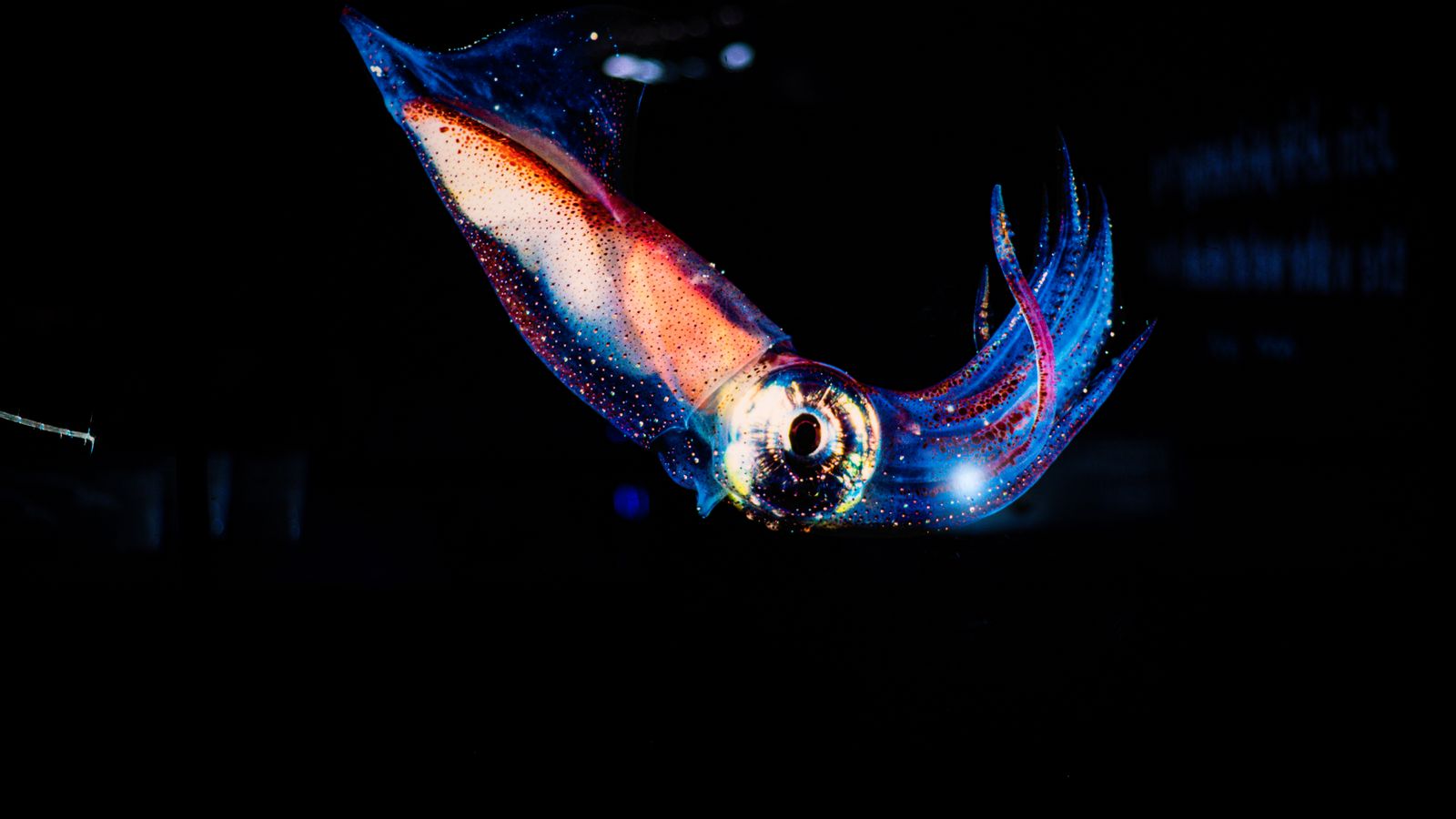
More than a year after a toxic algal bloom turned stretches of South Australia's coast into a graveyard of dead fish, the state has called the worst of it over. For anglers, though, the calamari grounds are still closed and the squid are still missing.
Premier Peter Malinauskas announced the bloom was "effectively clear," pointing to monitoring that recorded "effectively zero Karenia throughout the state's coastline." He noted that weekly beach wash-ups of dead marine life had collapsed from 9,400 kilograms in December 2025 to under 50 kilograms, and that Karenia testing would scale back to monthly in calm areas.
The relief came bundled with fresh restrictions. Southern calamari limits were extended across Gulf St Vincent and the Spencer Gulf, recreational and charter fishing for the species was shut in the gulf, King George whiting face a spawning closure until 31 July, and snapper closures were pushed out another 12 months.
That bites hardest at the tackle counter. Alicia Bolitho, who runs Tackle World stores in Port Lincoln and Port Augusta, usually relies on a winter rush for squid jigs.
"When the bloom arrived, the squid just absolutely disappeared. Even though the algae bloom wasn't here, it seemed the squid had gone," she said. "We'll see a decline in sales through both our stores … it's a fair chunk of our income. But hopefully, the short-term pain will be a long-term gain in the future."
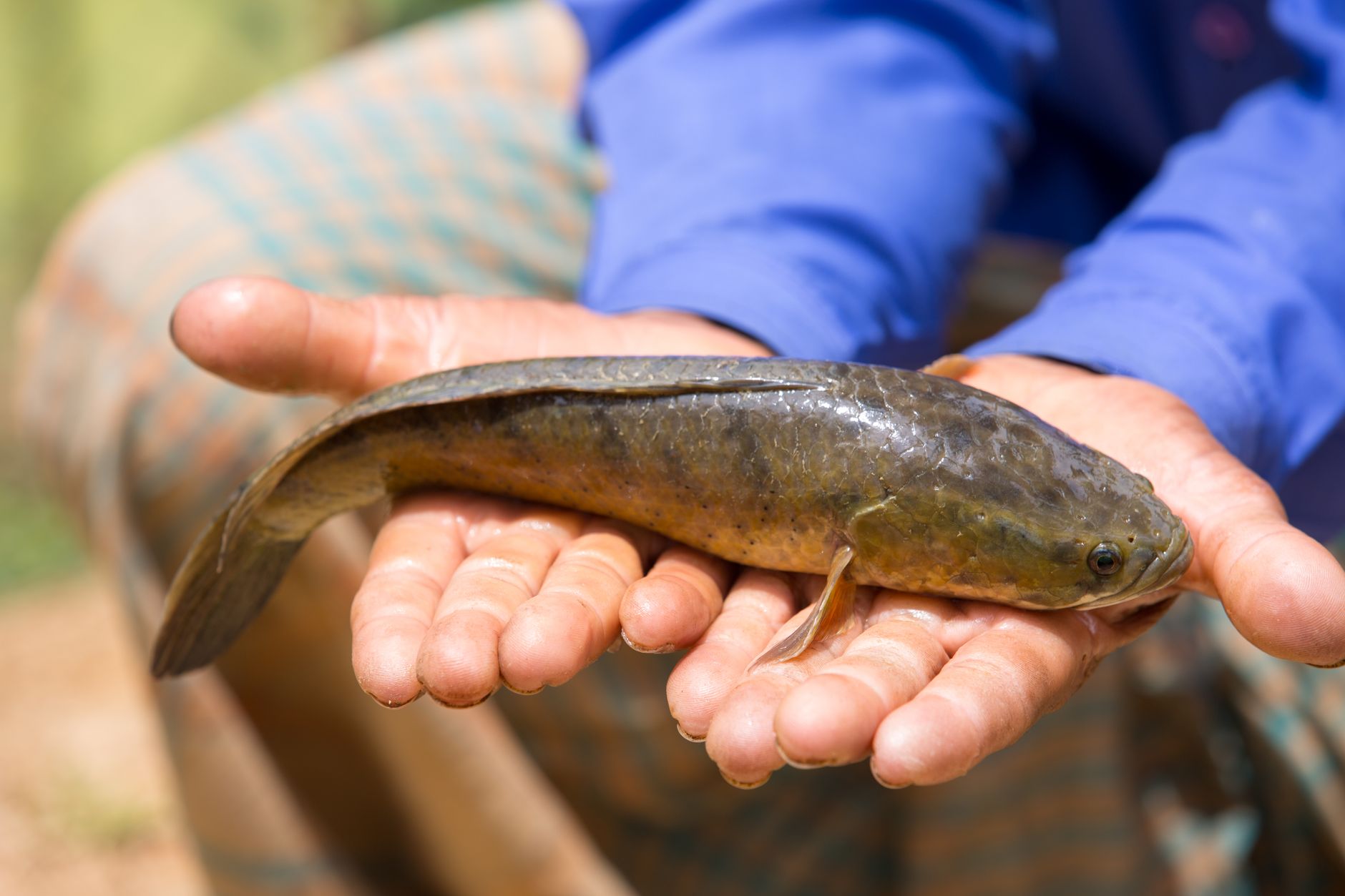
Below the waterline, the damage is plain to those who dive it. Jeff Bowey has snorkelled and dived around Port Augusta for ten years and says the marine life he used to rely on has vanished. "However the last couple of dives this year; there's been nothing. It's actually a barren desert down there at the moment," he said. "There's something going on in this water that's affected the marine life significantly."
Scientists are urging patience over optimism. University of Adelaide marine ecologist Ivan Nagelkerken said the catch declines reported by fishers "could be quite significant," and that some slow-breeding species "might take up to years for some species, even decades" to bounce back.
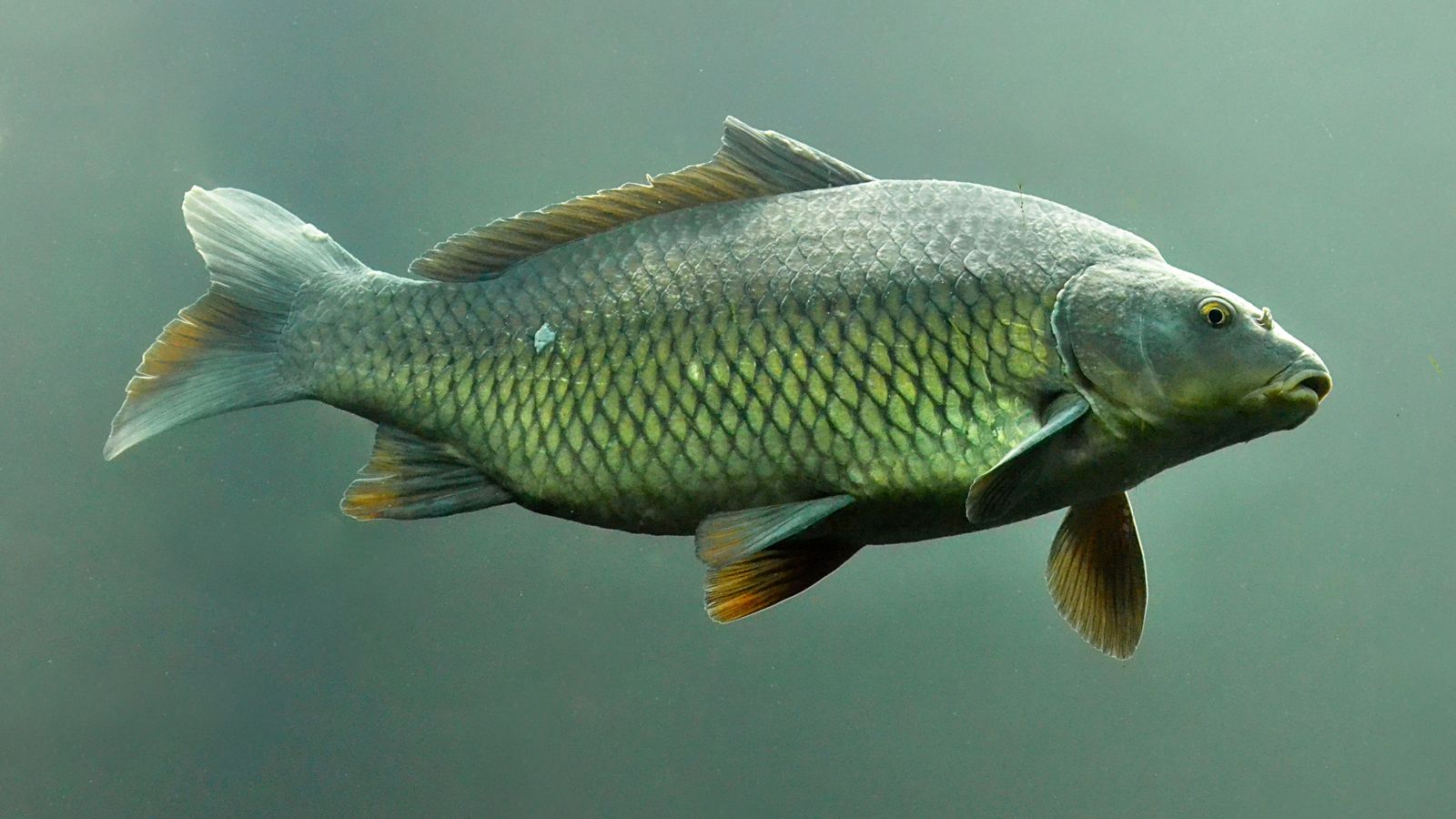
The economic toll is already being counted. Kyri Toumazos, executive director of Seafood Industry South Australia, estimated at least a decade of recovery ahead, tens of millions of dollars in losses, and more than 100 marine scalefish fishers sidelined. "It's also a way of life for people … so we are now seeing the mental burden that it has on people as well," he said.
The state's own bloom spokesman, Professor Mike Steer of the South Australian Research and Development Institute, refused to declare victory. "The job is not done," he said. "This particular Karenia species is responsive to environmental conditions, and it has in the past turned the corner, so we need to be vigilant in terms of our monitoring."
Opposition spokesperson Nicola Centofanti warned the closures hurt whole towns. "These bans don't just affect those out of the water – they flow right through coastal economies, impacting local jobs, small businesses, and regional communities," she said.
And the threat has not gone away. Ecologist Faith Coleman of EcoProTem said another bloom remained "quite high until we start addressing those issues around ocean acidification and CO2 increase and changes in currents." For South Australia's fishing community, the wait — for the squid, the whiting and the snapper — goes on.